Patios, terraces and stone walls on the Eastside
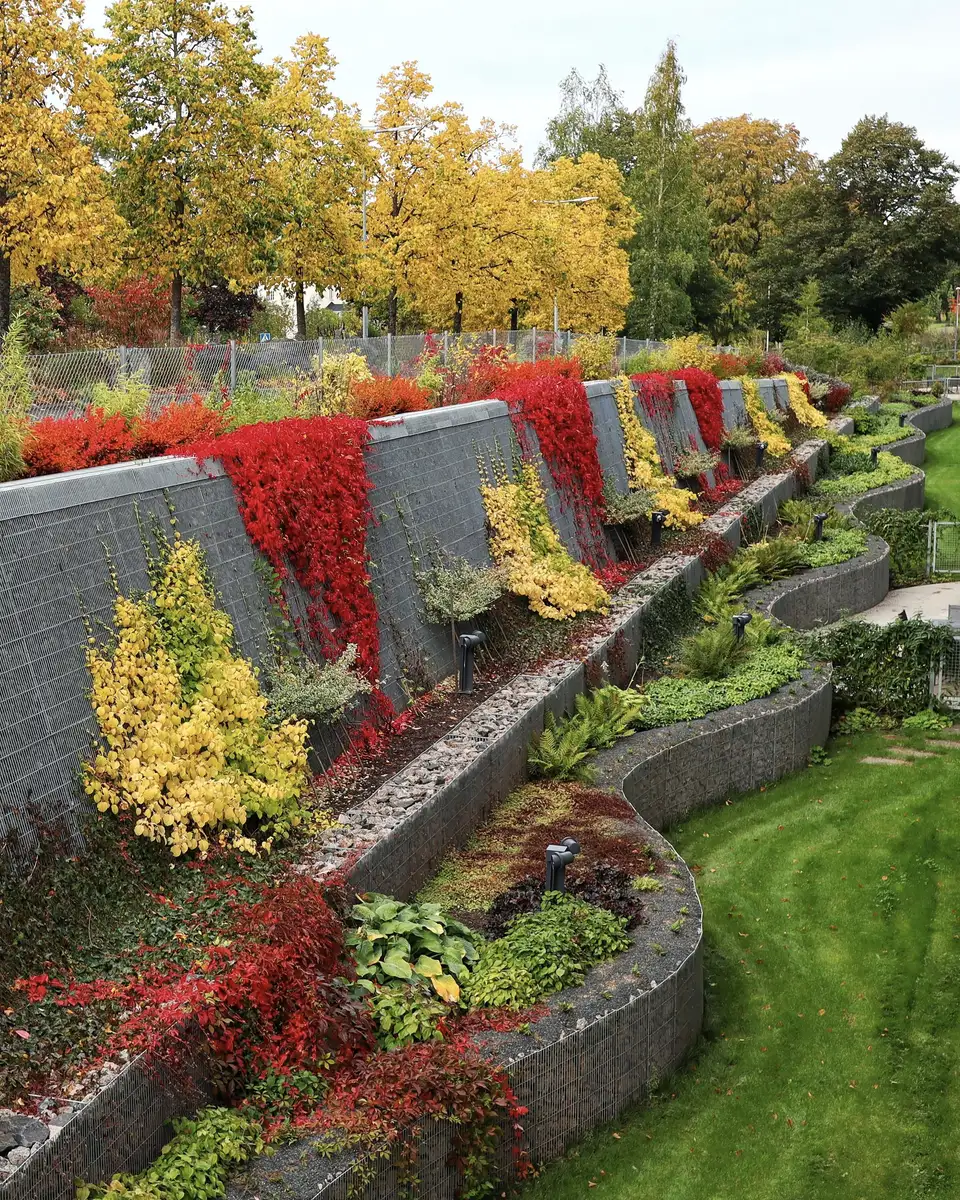
Stone and concrete paving laid on a proper base, retaining walls that hold a slope, and steps that make a hillside lot usable. Built to last the wet.
What people tell us at the first visit
- “The patio is green and slippery from October to May.”
- “Our pavers have sunk and the joints are full of moss.”
- “We have a slope and nowhere flat to put a table.”
- “The old wall is leaning and we are worried about it.”
The full scope
- Excavation and a compacted, drained base sized for our soils
- Natural stone, porcelain or concrete paver patios
- Dry-laid and mortared stone walls, and engineered block walls where height requires it
- Steps, landings and handrails on sloped lots
- Edge restraint and joint material chosen for moss and rain
- Drainage under and around the paving
- Permits and engineering for walls over the city's height limit (owner confirms limits per city)
What moves the price
Design is a separate fee agreed first; the build is priced from the finished drawings. These choices move it most:
- Stone choice: local basalt, imported flagstone, porcelain or concrete paver
- Wall height and whether it needs an engineer
- How far materials travel from the street to the back of the lot
- Excavation on a slope and soil haul-away
- Drainage needed under the patio
Asked often
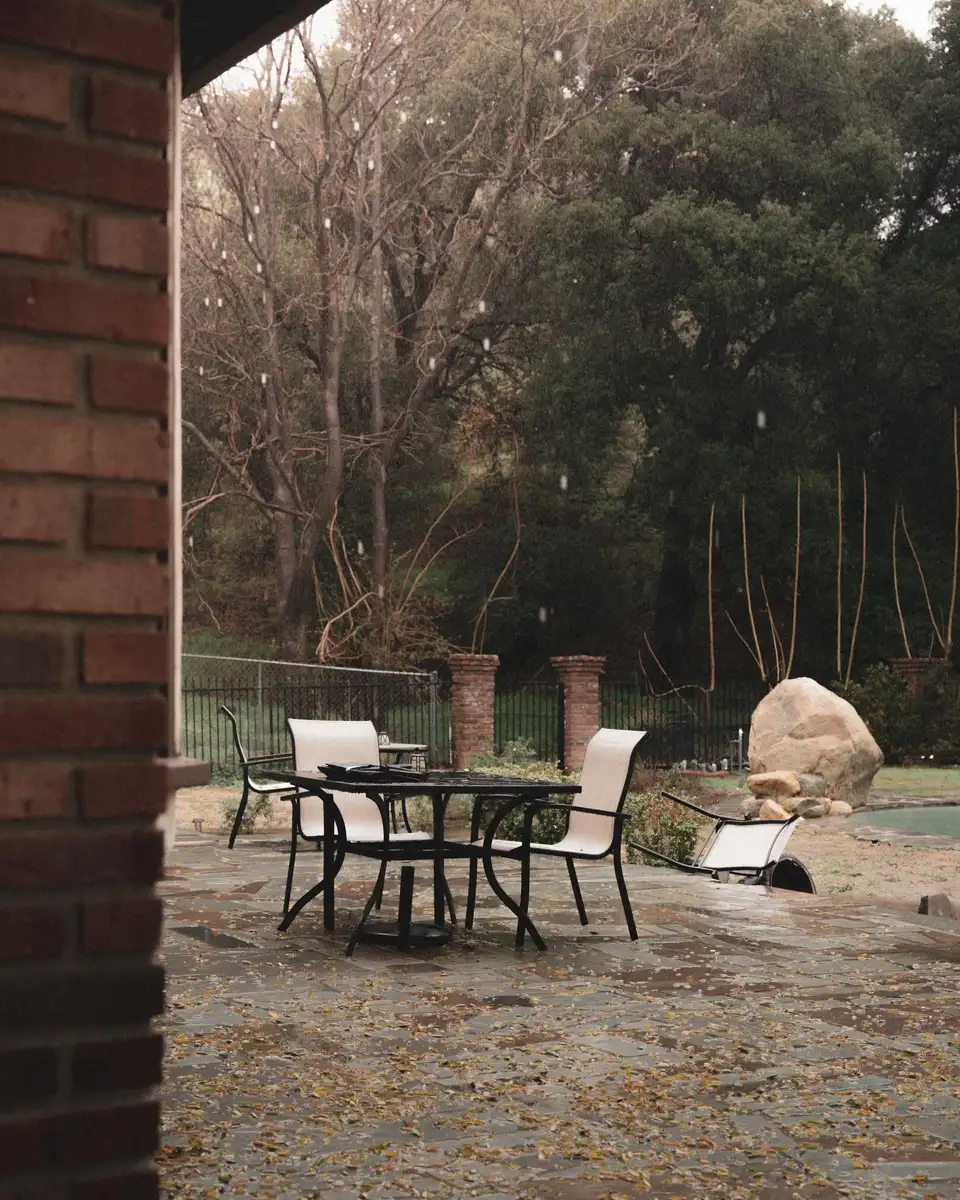
Why do patios here go green and slippery?
Shade, constant moisture and a surface that holds water. We pick paving with grip, set it to fall away from the house, and plan the planting so the patio gets light and air.
Do I need a permit for a retaining wall?
Often, once a wall passes a set height or holds up a driveway or building. The limit varies by city, so we check with yours during design and handle the permit and engineering when it is needed.
Stone or pavers?
Both can last. Natural stone has more character and costs more to lay. Porcelain and concrete pavers are more uniform and quicker. We bring samples to the site so you can see them in your light.
Can you reuse our old stone?
Usually, yes. Old wall stone and broken concrete can become new walls, steps or a dry creek, and it saves on haul-away.
Other outdoor rooms
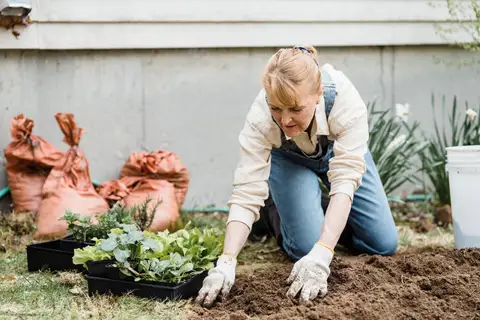 Garden design and native plantingPlanting plans built around what grows here: ferns and vine maple in the shade, currant and camas in the sun, and enough evergreen structure that the garden still reads in February..
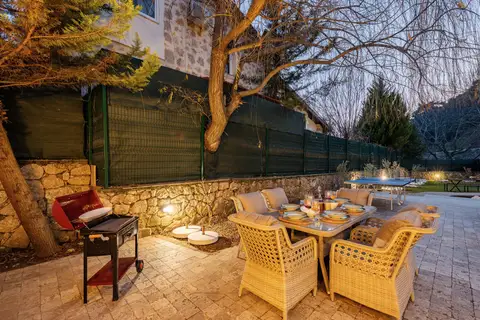 Outdoor kitchens and fireA covered terrace with a fire feature turns a summer-only yard into somewhere you sit in October.
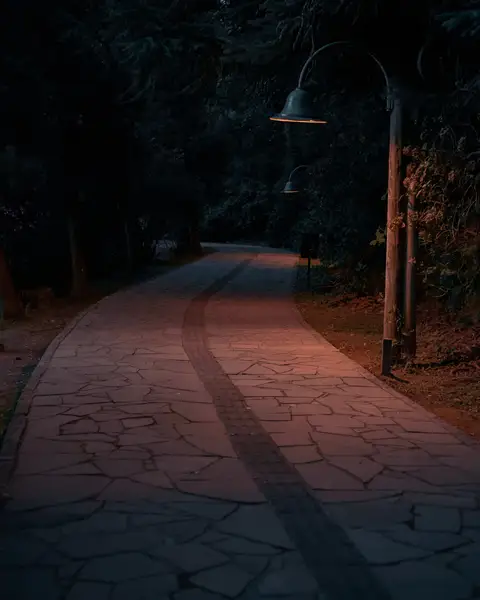 Landscape lightingLow-voltage lighting for paths, steps, trees and terraces, set on timers and zones so the garden is something you see from the house in the dark months..
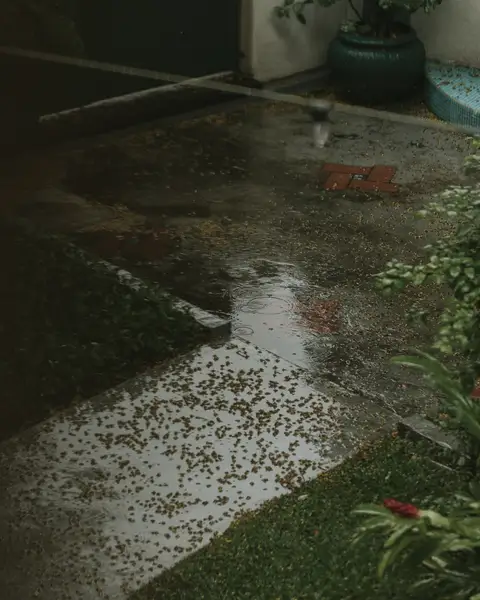 Drainage and sloped lotsWater that pools by the house, a lawn that turns to mud, a hillside you cannot use.
Request a design consultation
If your garden only looks right in June, write to us. Request a design consultation and we will walk the lot with you, look at the slope and the light, and talk budget plainly. Or call the studio on (425) 555-0148.
We reply within two business days, and text back within minutes of a missed call. Mon to Fri, 8:00 to 5:00. Site visits Saturday by appointment.