Landscape lighting on the Eastside
Low-voltage lighting for paths, steps, trees and terraces, set on timers and zones so the garden is something you see from the house in the dark months.
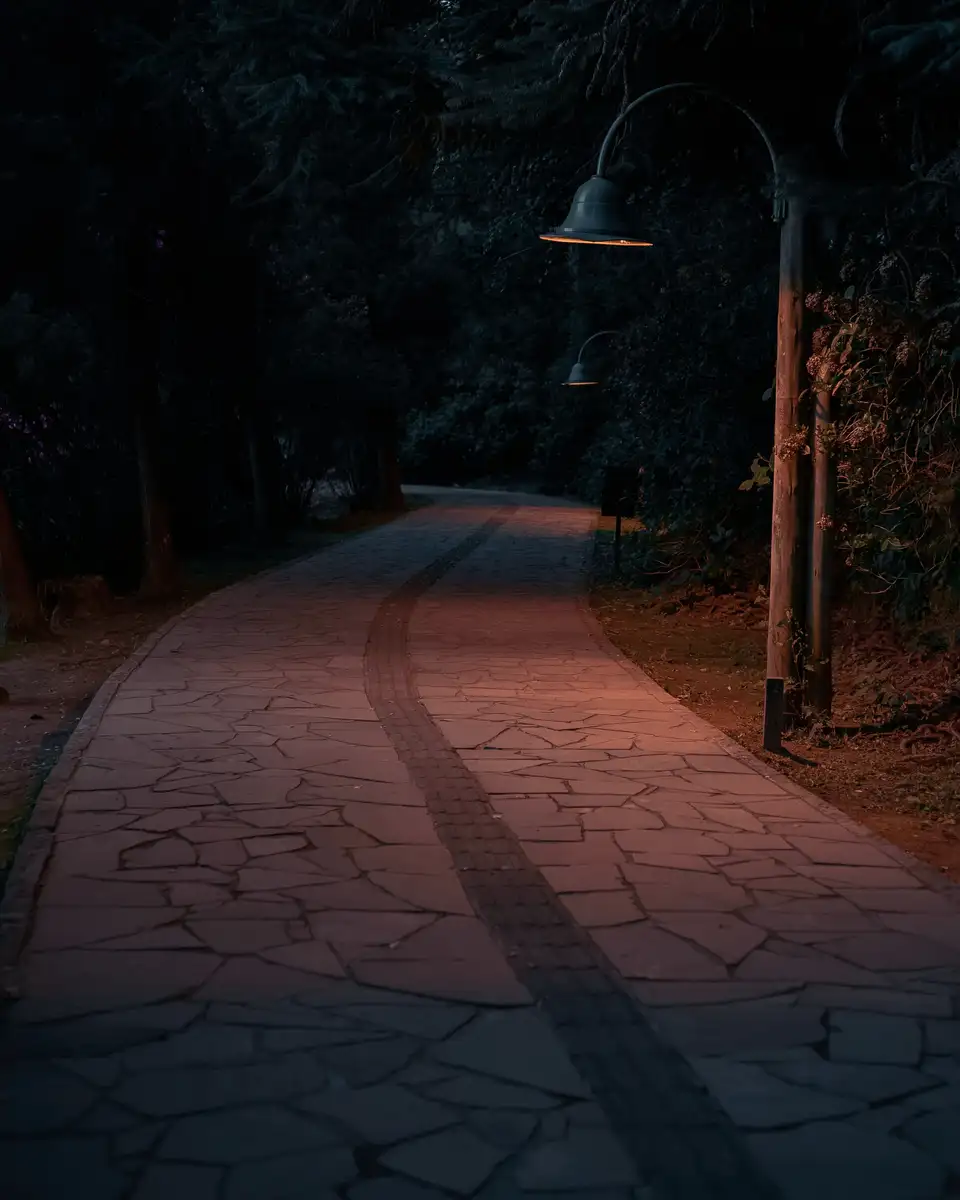
What people tell us at the first visit
- “From November to February we never see the garden.”
- “The steps down to the lower lawn are dangerous at night.”
- “Our old lights are bright, blue and point into the neighbour's window.”
- “Half the fixtures stopped working and nobody can find the wiring.”
The full scope
- Night design walk to plan what to light and what to leave dark
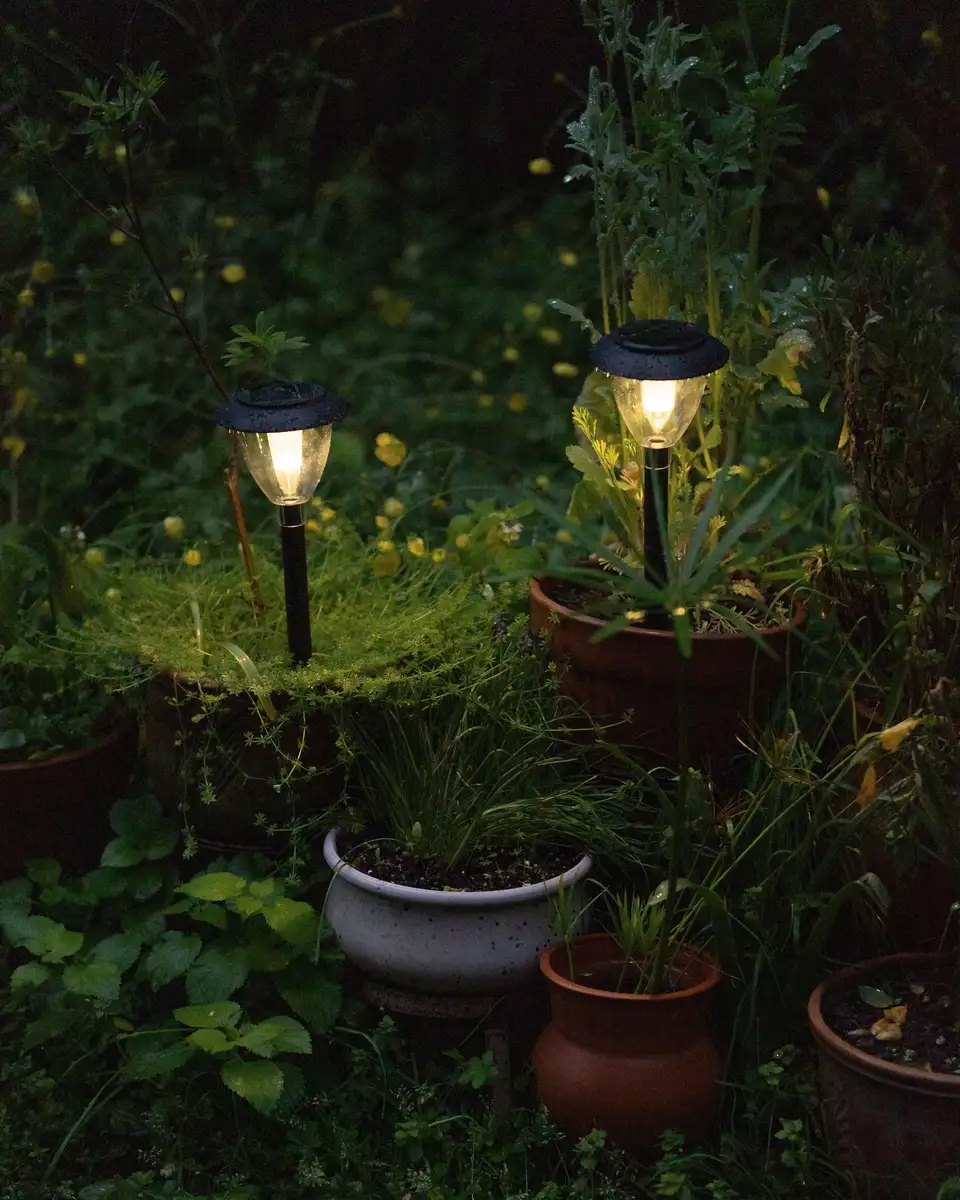
- Low-voltage LED fixtures for paths, steps, walls, trees and water
- Warm colour temperature and shielded fixtures to avoid glare
- Transformer, timers, zones and phone control
- Wiring run in conduit and mapped on the plan
- Repair or replacement of existing systems
- Annual adjustment as trees grow
What moves the price
Design is a separate fee agreed first; the build is priced from the finished drawings. These choices move it most:
- Number of fixtures and zones
- Distance from the transformer to the far end of the garden
- Lighting into tall trees
- Retrofitting into finished planting or paving
- Smart controls
Asked often
Is low-voltage lighting safe in the rain?
Yes. Low-voltage systems are designed for outdoor wet locations. We use sealed connections and a transformer on a GFCI outlet.
Will it bother the neighbours?
It should not. We aim fixtures down and away, use shielding, and keep colour warm. Lighting the garden is not the same as lighting the sky.
Can you add lighting to an existing garden?
Yes. Most of the cable is trenched shallowly or hidden under mulch, so retrofits are tidy. Under paving we plan the run with you.
How do the lights turn on?
On a timer or astronomical clock that follows sunset, with zones you can switch from your phone. Steps and paths can stay on longer than feature lighting.
Other outdoor rooms
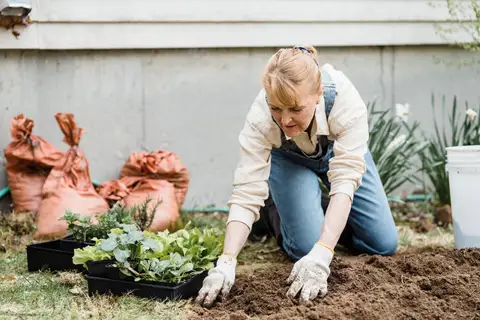 Garden design and native plantingPlanting plans built around what grows here: ferns and vine maple in the shade, currant and camas in the sun, and enough evergreen structure that the garden still reads in February..
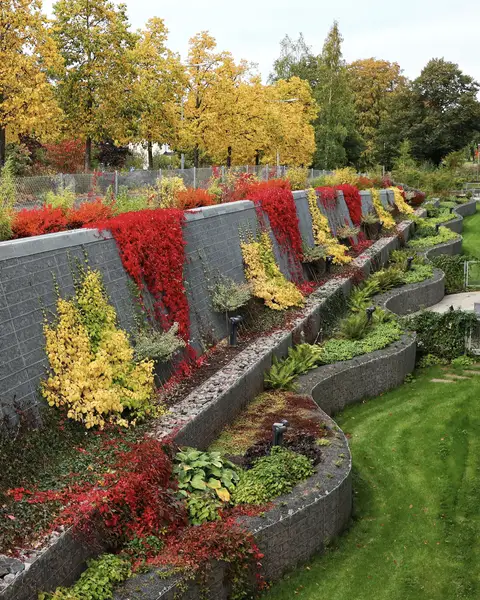 Patios, terraces and stone wallsStone and concrete paving laid on a proper base, retaining walls that hold a slope, and steps that make a hillside lot usable.
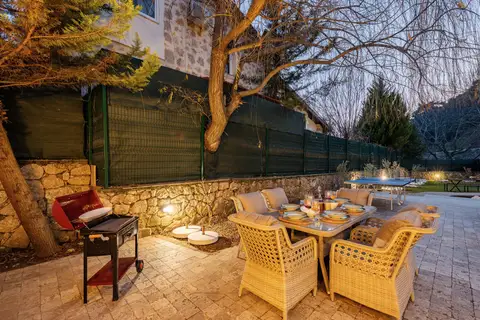 Outdoor kitchens and fireA covered terrace with a fire feature turns a summer-only yard into somewhere you sit in October.
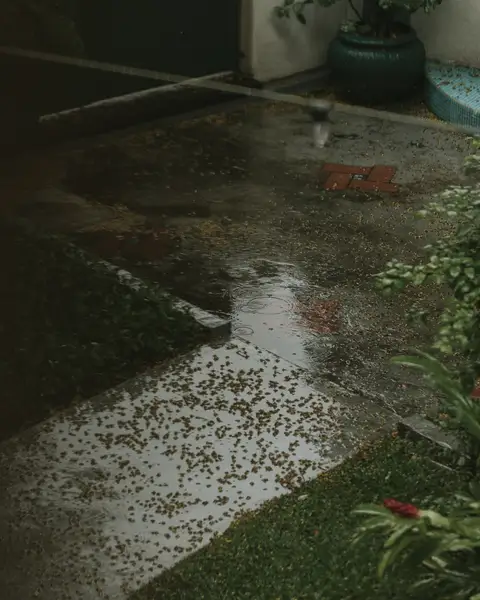 Drainage and sloped lotsWater that pools by the house, a lawn that turns to mud, a hillside you cannot use.
Request a design consultation
If your garden only looks right in June, write to us. Request a design consultation and we will walk the lot with you, look at the slope and the light, and talk budget plainly. Or call the studio on (425) 555-0148.
We reply within two business days, and text back within minutes of a missed call. Mon to Fri, 8:00 to 5:00. Site visits Saturday by appointment.