Garden design and native planting on the Eastside
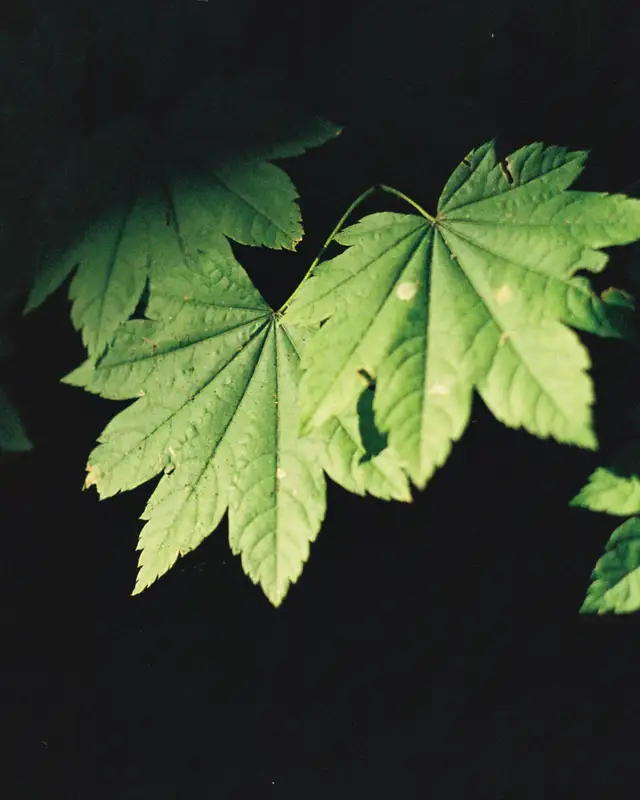
Planting plans built around what grows here: ferns and vine maple in the shade, currant and camas in the sun, and enough evergreen structure that the garden still reads in February.
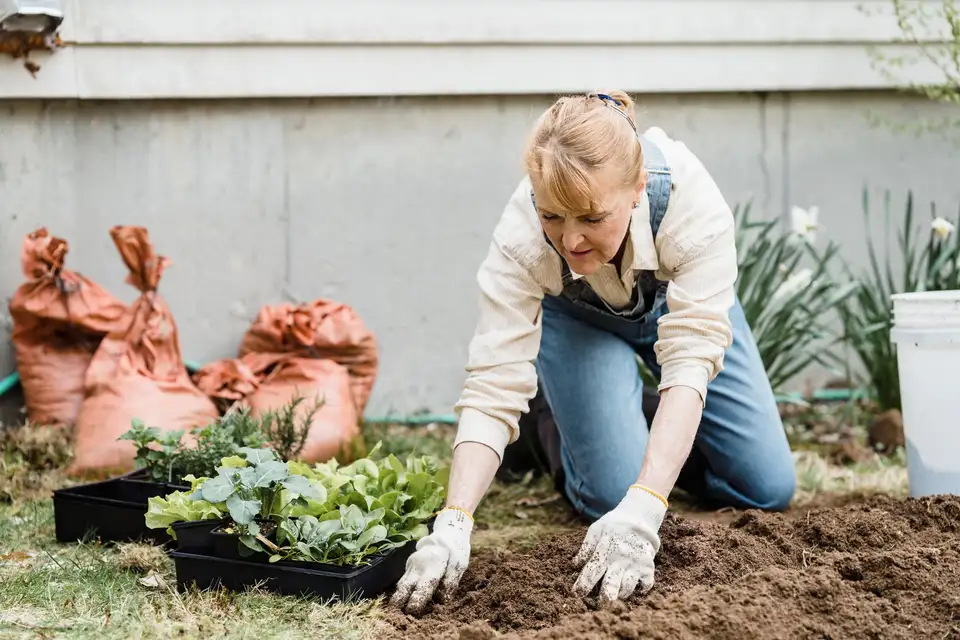
What people tell us at the first visit
- “The lawn under the firs has never really grown.”
- “Everything looks great for six weeks in June and then it is brown sticks.”
- “We want natives, but not a garden that looks unkempt.”
- “We have deer, and the last planting was eaten in a month.”
The full scope
- Measured site survey with sun, shade and wet spots marked
- Soil test and amendment plan
- Planting plan with every plant named, sized and placed
- Native and non-native palette chosen for the lot, with deer-resistant options
- Removal of tired lawn and invasives (laurel, ivy, blackberry)
- Drip irrigation zoned by plant need
- Mulch, staking and a first-year watering schedule
What moves the price
Design is a separate fee agreed first; the build is priced from the finished drawings. These choices move it most:
- Plant sizes at planting (a 1-gallon fern or a 5-gallon specimen)
- How much lawn or old planting has to come out
- Soil condition and how much amendment it needs
- Irrigation: new drip zones or tying into what you have
- Access for wheelbarrows and machinery on a slope
Asked often
Do you only plant natives?
No. Most of our planting plans lean native because natives handle our wet winters and dry Augusts, but we mix in well-behaved non-natives where they earn their place, such as hellebores for February flowers.
Will a native garden look messy?
Not if it is designed. Clear edges, a mown or gravel path, repeated plants and evergreen structure make a native garden look intended rather than left alone.
How long until it fills in?
Most shrubs and perennials fill in over two to three growing seasons. We size the plan for the garden at year three and tell you where we planted larger to look finished sooner.
Can you plant in summer?
We can, with careful watering, but autumn is the best planting season here. The rain does the watering and roots grow through the winter.
Other outdoor rooms
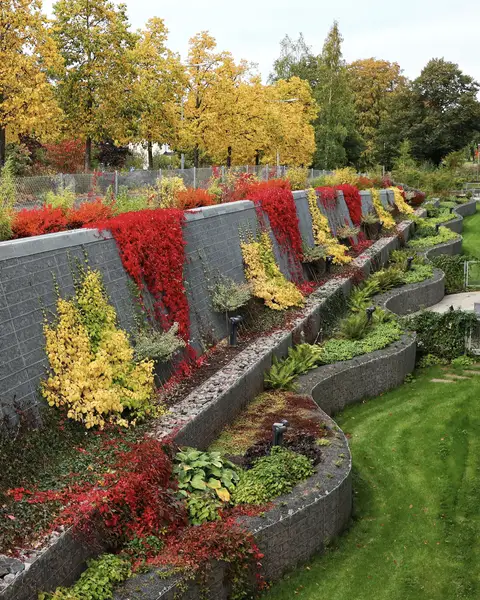 Patios, terraces and stone wallsStone and concrete paving laid on a proper base, retaining walls that hold a slope, and steps that make a hillside lot usable.
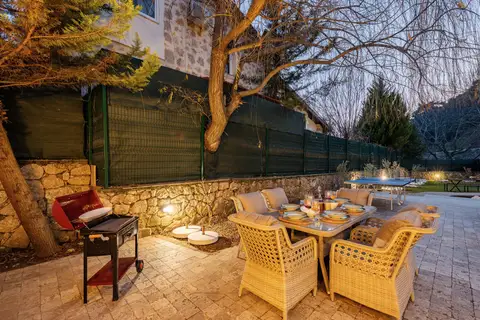 Outdoor kitchens and fireA covered terrace with a fire feature turns a summer-only yard into somewhere you sit in October.
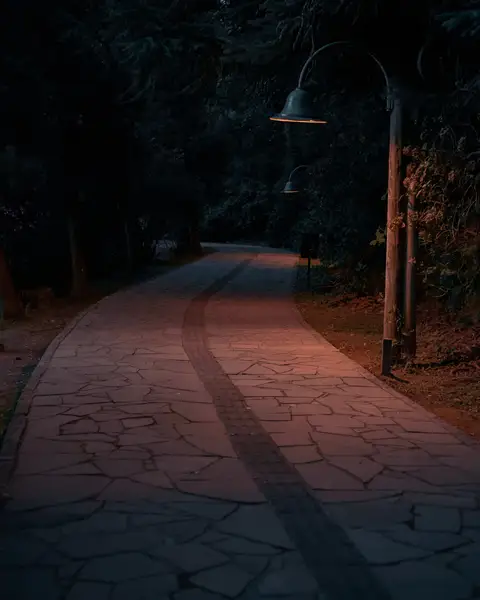 Landscape lightingLow-voltage lighting for paths, steps, trees and terraces, set on timers and zones so the garden is something you see from the house in the dark months..
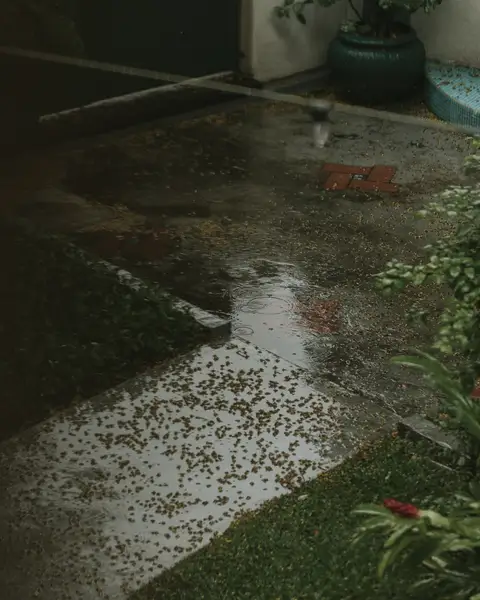 Drainage and sloped lotsWater that pools by the house, a lawn that turns to mud, a hillside you cannot use.
Request a design consultation
If your garden only looks right in June, write to us. Request a design consultation and we will walk the lot with you, look at the slope and the light, and talk budget plainly. Or call the studio on (425) 555-0148.
We reply within two business days, and text back within minutes of a missed call. Mon to Fri, 8:00 to 5:00. Site visits Saturday by appointment.